
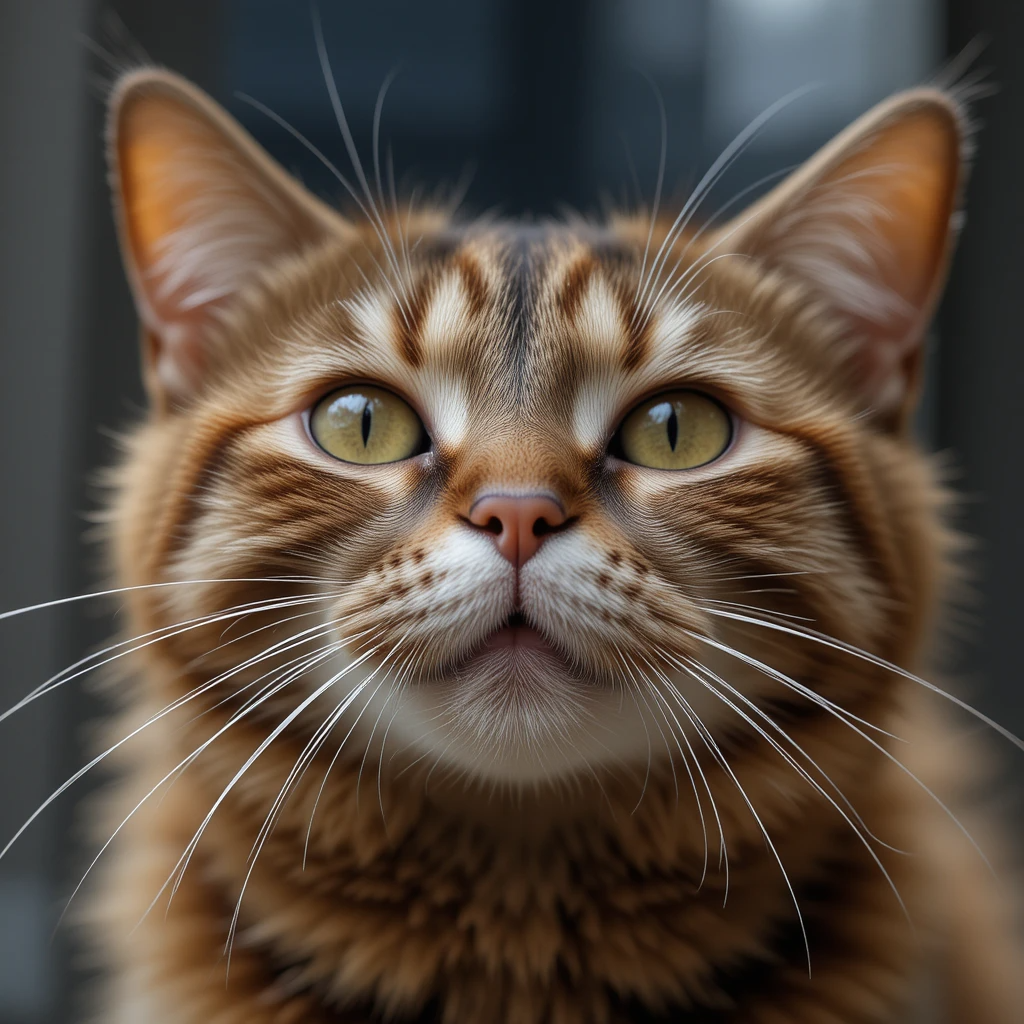
Cat sneezing can be a common occurrence, but it’s important to recognize when it might signal a health concern. Frequent sneezing in cats often points to allergies, infections, or environmental factors. This guide explains how to identify symptoms, understand root causes, and take action.
Learning about cat sneezing helps pet owners provide better care. From home remedies to when to visit a vet, this article covers everything needed to support your cat’s well-being. Simple steps can reduce discomfort and prevent future episodes.
Key Takeaways
- Identify sneezing patterns to spot health issues early.
- Common causes include dust, pollen, or respiratory infections.
- Home solutions like clean air and vet-recommended foods may help.
- Severe symptoms like discharge or lethargy need professional care.
- Prevention starts with a safe environment and regular checkups.
UnderstandingCat Sneezing
Cat sneezing is a common behavior that cats use to clear their nasal passages. While occasional sneezes are normal, frequent sneezing may signal underlying issues like cat sneezing allergies or environmental irritants. Learning about triggers helps pet owners address discomfort early.
What is Cat Sneezing?
A sneeze is a reflex action to remove particles blocking the nose. It’s often harmless but can become a concern if accompanied by discharge, lethargy, or loss of appetite. Allergies are a leading cause, causing inflammation and irritation.
Common Triggers and Contexts
Many factors can cause cats to sneeze:
- Allergens: Pollen, dust mites, or mold
- Household products: Cleaning sprays, scented candles
- Environmental factors: Smoke, dust, or sudden temperature changes
| Trigger Type | Examples | Link to Allergies? |
|---|---|---|
| Environmental | Pollen, dust mites | Yes – Common in cat sneezing allergies |
| Chemical | Aerosol sprays, perfumes | No (Irritants, not allergies) |
| Infectious | Viruses like herpesvirus | No (Medical issue) |
Noticing patterns in when sneezing occurs helps identify causes. Sudden episodes after using cleaning products may point to irritants, while seasonal sneezing often relates to cat sneezing allergies. Always consult a vet if sneezing persists.
Symptoms to Watch For
When your cat sneezes, it’s natural to wonder what’s normal and what’s a red flag. How to help a sneezing cat starts with knowing which symptoms matter most. Mild signs like occasional sneezes or runny noses might not require urgent action. But persistent or severe symptoms call for closer attention.
- Mild symptoms: Occasional sneezing, clear nasal discharge, or pawing at the nose
- Severe symptoms: Thick yellow/green mucus, difficulty breathing, loss of appetite, or swelling around the eyes
| Sign | What It Might Mean |
|---|---|
| Continuous sneezing fits | Possible allergy or irritant exposure |
| Discharge with crusty eyes | Could signal an infection |
| Labored breathing or blue gums | Emergency: Seek care immediately |
Tracking symptoms helps you act fast. Note changes in eating, energy levels, or nasal discharge type. If sneezing lasts more than a day or pairs with other issues, contact your vet. How to help a sneezing cat often depends on catching early warning signs. Always keep a log of when symptoms start and what you’ve tried to ease discomfort. Quick action can prevent small issues from becoming bigger health concerns.
Common Causes of Cat Sneezing
Cat sneezing often stems from a mix of environmental factors and health conditions. Knowing the causes of cat sneezing helps address the issue quickly. Let’s explore the most frequent triggers.
Allergies and Environmental Irritants
Allergies are top culprits. Common culprits include pollen, dust mites, or cleaning sprays like Lysol. Cats exposed to cigarette smoke or air fresheners may sneeze more. Watch for reactions to new bedding or carpet fibers.
- Pollens and molds: Outdoor allergens tracked indoors
- Household cleaners: Chemicals in disinfectants
- Litter dust: Clumping litter brands like Arm & Hammer
Infections and Other Underlying Issues
Infections like feline herpesvirus or calicivirus cause sneezing. These viruses spread easily among cats in multi-pet homes. Bacterial infections, such as chlamydia, may also trigger symptoms. Dental problems, like infected teeth, sometimes lead to nasal irritation. Tumors are rare but possible in older cats.
Signs of infection include runny noses or loss of appetite. If sneezing lasts over 24 hours, consult a vet immediately.
Diagnosing Cat Sneezing
When your cat’s sneezing persists, understanding when to see a vet for cat sneezing is critical. Early diagnosis helps pinpoint causes and prevent complications. Here’s how to navigate the next steps:
When to Consult Your Veterinarian
Seek professional help if your cat shows these signs:
- Frequent sneezing lasting more than 24 hours
- Thick, discolored nasal discharge
- Labored breathing, loss of appetite, or lethargy
- No improvement after home care
If symptoms align with when to see a vet for cat sneezing, schedule an exam promptly.
Understanding Diagnostic Tests
Vets use these methods to identify causes:
- Physical exam: Checking nasal passages and overall health
- Laboratory tests: Nasal swabs to detect infections or allergens
- Imaging scans: X-rays or ultrasounds for hidden issues
Tests help tailor treatment plans to your cat’s needs. Always follow your vet’s advice to ensure your pet gets the right care.
Home Remedies for Cat Sneezing
Cat sneezing remedies often start at home. Simple changes can ease discomfort and reduce triggers. Always consult your vet first, but these steps can support your cat’s health:
Natural Cleaners and Air Purifiers
Air quality matters. Swap harsh cleaners for pet-safe options like vinegar diluted with water. Avoid sprays with strong scents. Use HEPA air purifiers—brands like Blueair or Dyson—filter out allergens. Vacuum weekly to cut down dust.
- Try steam cleaning carpets to remove trapped irritants.
- Wipe surfaces with microfiber cloths to trap dust particles.
“Regular air filtration and gentle cleaning reduce 60% of environmental triggers,” says Dr. Jane Miller, a feline health specialist.
Dietary and Lifestyle Adjustments
Hydration helps thin mucus. Serve wet food or add water to meals. Steam from a bowl of boiled, cooled chamomile tea can soothe nasal passages. Elevate food bowls to ease breathing during meals.
Rotate toys and bedding weekly. Use hypoallergenic materials for bedding. Monitor humidity levels—40-50% prevents dry air. A dehumidifier like Honeywell’s model HH-100 can balance moisture.
Combine these tips with vet care for best results. Small steps create a safer, sneeze-friendly space for your cat.
Preventing Future Sneezing Episodes
Preventing cat sneezing starts with creating a safe, irritant-free living space. Regular cleaning and awareness of your cat’s health can reduce the likelihood of sneezing episodes. Simple steps like routine grooming and avoiding harsh chemicals go a long way in maintaining your pet’s respiratory health.
“Maintaining clean air quality is the first line of defense against sneezing in cats,” says the American Veterinary Medical Association (AVMA).
Here are actionable steps to minimize triggers:
- Replace air filters monthly to reduce dust and allergens.
- Use pet-safe cleaning products to avoid chemical irritants.
- Trim plants known to trigger allergies, like lilies or ivy.
- Keep litter boxes in well-ventilated areas to cut down dust.
| Common Irritant | Prevention Strategy |
|---|---|
| Dust mites | Vacuum carpets weekly with a HEPA filter vacuum. |
| Strong scents | Avoid aerosol sprays and scented candles. |
| Outdoor allergens | Wipe paws after outdoor play to remove pollen. |
Incorporate these changes gradually to help your cat adapt. Consistent vet check-ups can also identify underlying conditions early, reducing sneezing risks. Small adjustments create a healthier environment, ensuring your cat breathes easy.
Treatment Options for Cat Sneezing
Choosing the right treatment for cat sneezing starts with identifying the root cause. Whether it’s allergies, infections, or environmental factors, these options help address symptoms and improve your cat’s comfort.
Over-the-Counter Solutions
Some OTC options can offer relief, but always check with a vet first. Common choices include:
- Saltwater nasal sprays (like saline solutions) to clear mucus.
- Humidifiers to moisten airways and reduce irritation.
- Antihistamines (e.g., cetirizine), but never use without veterinary guidance.
Prescription Medications Explained
If a vet confirms an infection or severe allergy, prescription treatments might be needed:
- Antibiotics for bacterial infections (e.g., doxycycline).
- Antiviral drugs for herpesvirus flare-ups.
- Corticosteroids to reduce inflammation in chronic cases.
Alternative Therapy Options
Complementary approaches can support recovery. Discuss these with your vet:
- Acupuncture to ease congestion.
- Herbal supplements (e.g., echinacea) for immune support.
- Probiotics to boost overall health.
Always prioritize safety—never start any treatment for cat sneezing without a vet’s approval. Regular check-ups ensure the chosen method aligns with your cat’s needs.
When to See a Vet for Cat Sneezing
Not every sneeze requires a vet visit, but certain signs demand immediate attention. If your cat’s sneezing persists or worsens, paired with nasal discharge, it’s time to act. Recognizing when to seek help ensures your pet gets timely care.
Recognizing Severe Symptoms
Watch for these red flags:
- Prolonged episodes: Sneezing daily for over 48 hours.
- Thick nasal discharge: Green, yellow, or bloody mucus.
- Other signs: Fever, loss of appetite, or swelling around the nose or eyes.
Emergency Situations and Next Steps
Some scenarios require urgent care. Act immediately if your cat shows:
- Breathing difficulty: Labored breathing or rapid panting.
- Bleeding: Nasal discharge with blood.
- Color changes: Blue-tinged gums or lips (sign of oxygen deprivation).
Next steps: Call your vet first. Avoid home remedies if symptoms are severe. Transport your cat safely, keeping them calm during travel.
| Symptom | Action Required |
|---|---|
| Watery discharge, occasional sneezing | Monitor for 24 hours |
| Thick green/yellow discharge | Schedule a vet visit |
| Blood in discharge, difficulty breathing | Seek emergency care immediately |
Understanding Cat Sneezing and Nasal Discharge
Nasal discharge often accompanies sneezing in cats, but its type can hint at the root cause. Clear, watery mucus may point to allergies, while thick or colored discharge could signal an infection. Here’s how to spot the difference and consider other possibilities.
Differentiating Between Allergies and Infections
- Allergies: Thin, clear discharge from irritants like pollen, dust, or cleaning sprays. Often comes with itching or ear issues.
- Infections: Thick yellow or green mucus, often paired with lethargy, loss of appetite, or a fever. Bacterial infections may follow viral illnesses like herpes virus.
Other Contributing Conditions
Some sneezing stems from less obvious causes. For instance:
- Dental Problems: Tooth infections near the sinuses can spread, causing sneezing.
- Nasal Mites: Tiny parasites that burrow into nasal passages, leading to chronic sneezing.
- Foreign Objects: Grass blades or debris stuck in nostrils might trigger sudden sneezing fits.
If your cat’s symptoms linger or worsen, contact a vet. Early care can prevent complications and ease your pet’s discomfort.
Conclusion
Understanding cat sneezing starts with recognizing symptoms like frequent sneezes, nasal discharge, or runny eyes. Allergies, infections, or irritants often trigger these reactions. Knowing when to act is key—monitor your cat’s behavior and seek a veterinarian’s advice if symptoms persist. Early diagnosis helps address underlying issues like respiratory infections or environmental triggers effectively.
Simple steps like using air purifiers or hypoallergenic cleaning products can reduce irritants at home. Dietary adjustments and regular vet checkups also support long-term health. Always prioritize professional guidance for severe cases, such as difficulty breathing or loss of appetite, which may require prescription medications or specialized care.
Keeping cats healthy involves staying informed about their well-being. By balancing home care with timely veterinary support, pet owners can manage sneezing episodes and prevent future issues. A proactive approach ensures cats receive the attention they need to stay happy and healthy.
FAQ
What are the common causes of cat sneezing?
Common causes of cat sneezing include allergies (like dust, pollen, or mold), environmental irritants (such as smoke or cleaning chemicals), and infections caused by viruses or bacteria. Keep an eye out for any nasal discharge, as this can provide additional clues about the cause.
How can I treat my cat’s sneezing at home?
You can treat your cat’s sneezing at home by using natural remedies such as a humidifier to ease nasal congestion, keeping their environment clean, and ensuring they have a balanced diet. Monitor their symptoms and consult a vet if there is no improvement.
When should I see a vet for my sneezing cat?
It’s time to see a vet if your cat’s sneezing is accompanied by severe symptoms, such as persistent nasal discharge, difficulty breathing, or lethargy. These could indicate a more serious underlying condition that needs professional attention.
Can allergies cause my cat to sneeze?
Yes, allergies are among the most common reasons for cat sneezing. Just like humans, cats can be allergic to various things like pollen, dust, or certain foods, leading to sneezing and other symptoms. Identifying and minimizing exposure to allergens can help.
What are some effective cat sneezing remedies?
Effective remedies for cat sneezing include using air purifiers, keeping your home clean and free of dust, and sometimes medications prescribed by a vet. Natural solutions like saline nasal drops may also relieve symptoms.
How can I prevent my cat from sneezing?
To prevent cat sneezing, maintain a clean environment, reduce exposure to allergens, and ensure your cat is healthy. Regular vet check-ups can help you catch potential issues before they escalate.
What should I look for in nasal discharge from my cat?
Pay attention to the color and consistency of your cat’s nasal discharge. Clear discharge often indicates allergies, while yellow or green discharge may signal an infection, requiring a vet visit.
Are there any specific dietary changes that can help a sneezing cat?
Yes, ensuring your cat has a high-quality diet rich in antioxidants can support their immune system and potentially reduce allergic reactions or respiratory issues. Consult with your vet for tailored dietary advice.